About History
Temple History
Historical Eras
Ancient Volcanic Origins
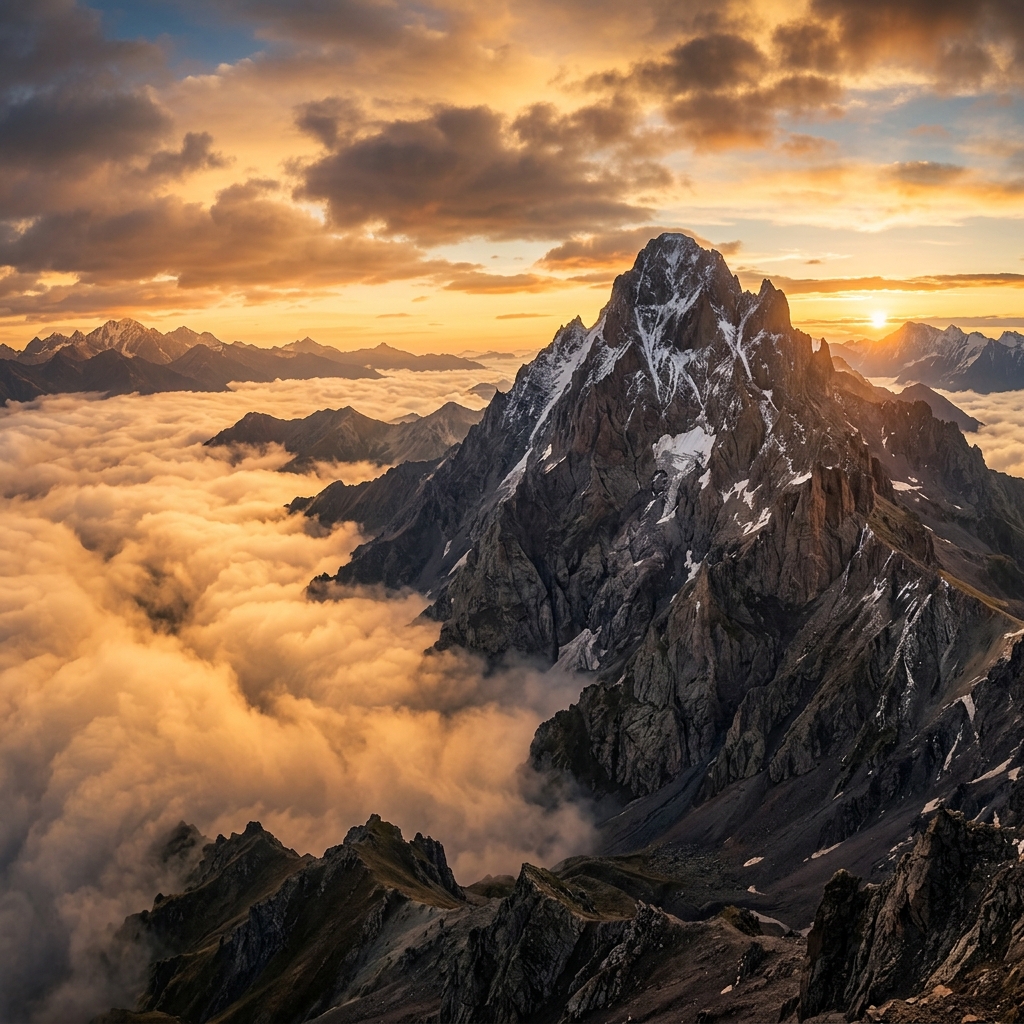
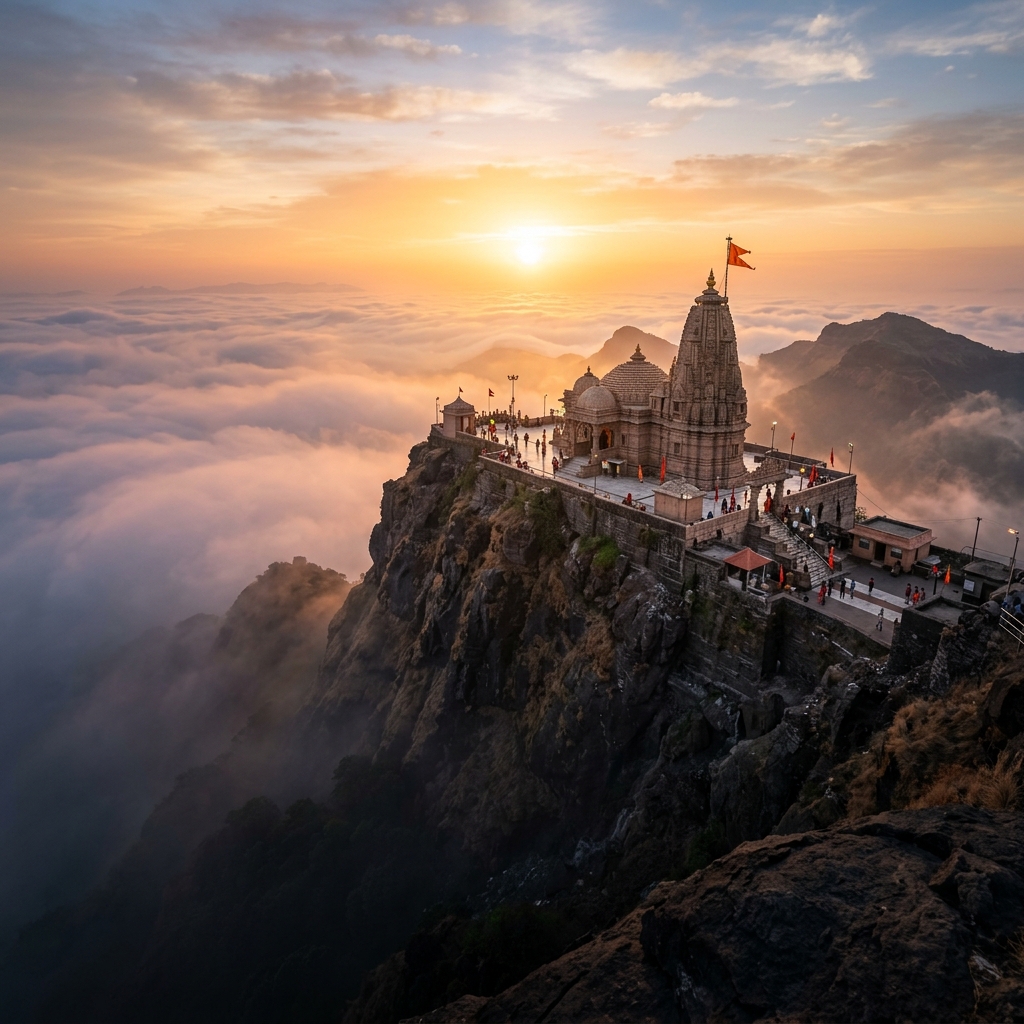
Pavagadh Hill is an extinct volcano that erupted millions of years ago, rising abruptly over 800 meters from the surrounding Panchmahal plains. The unique reddish basalt rock formations and steep precipices created a natural plateau that has fascinated humans since prehistoric times.
The Sacred Shakti Peeth
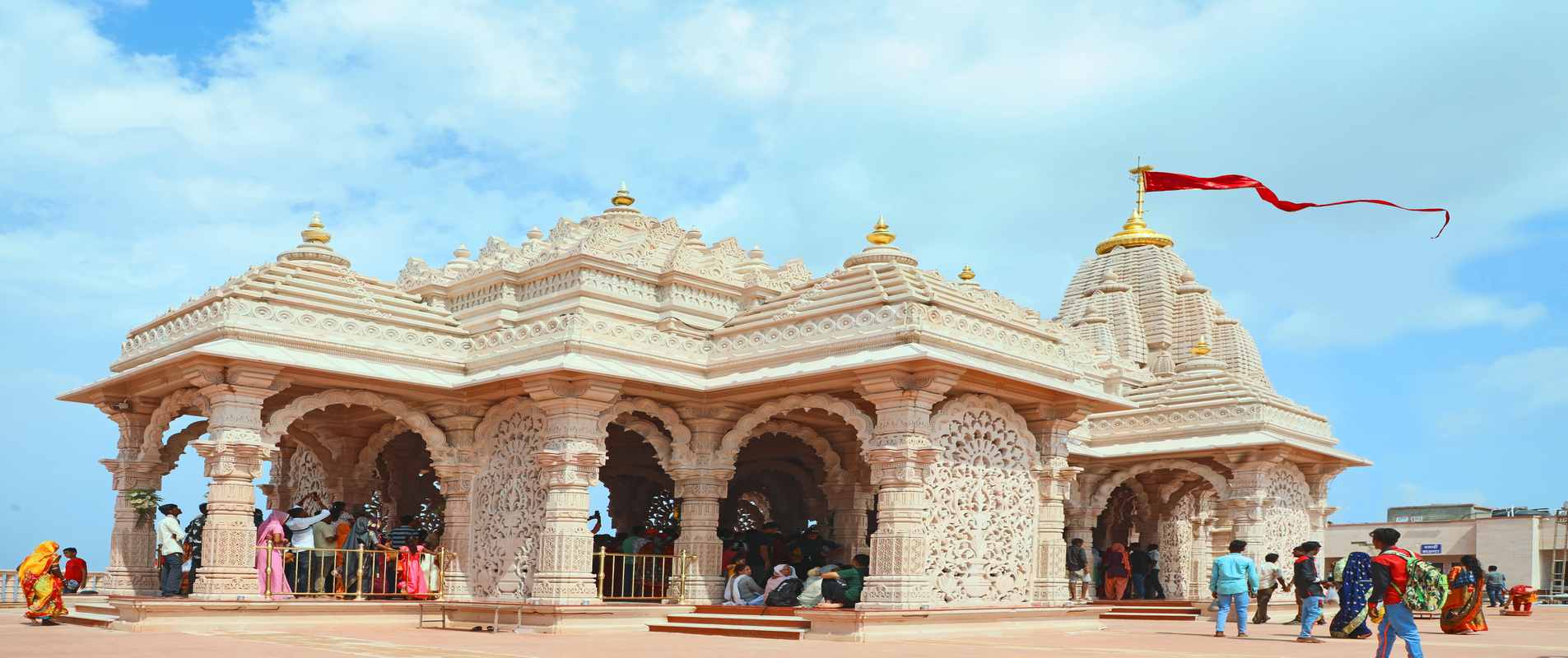
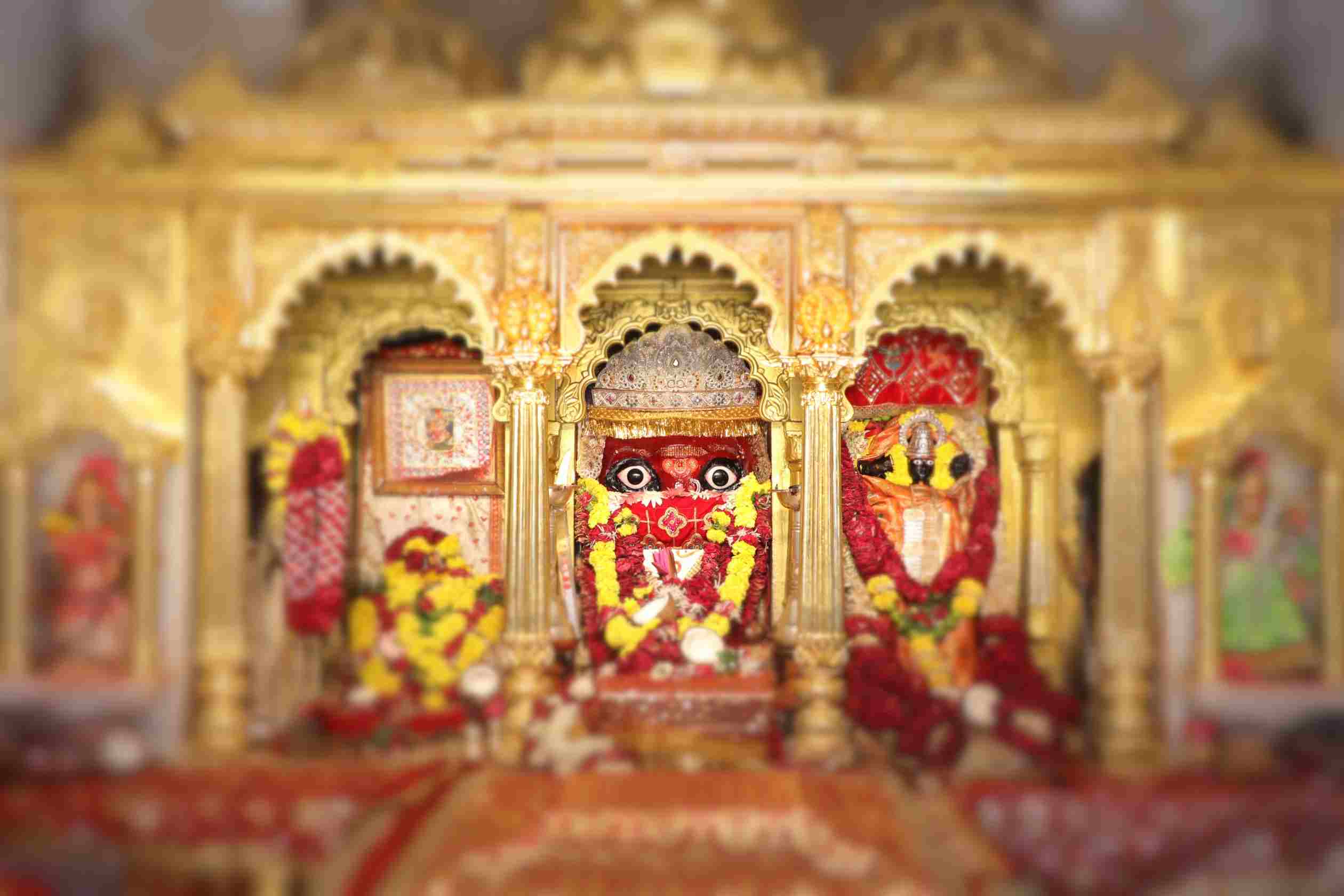
According to revered Vedic scriptures, Pavagadh is one of the 51 sacred Shakti Peethas. It is believed that the right toe (Dakshina Angustha) of Devi Sati fell here when Lord Vishnu used the Sudarshana Chakra to dismember her divine body, endowing the hill with eternal spiritual energy.
Solanki Dynasty & Early Shrines
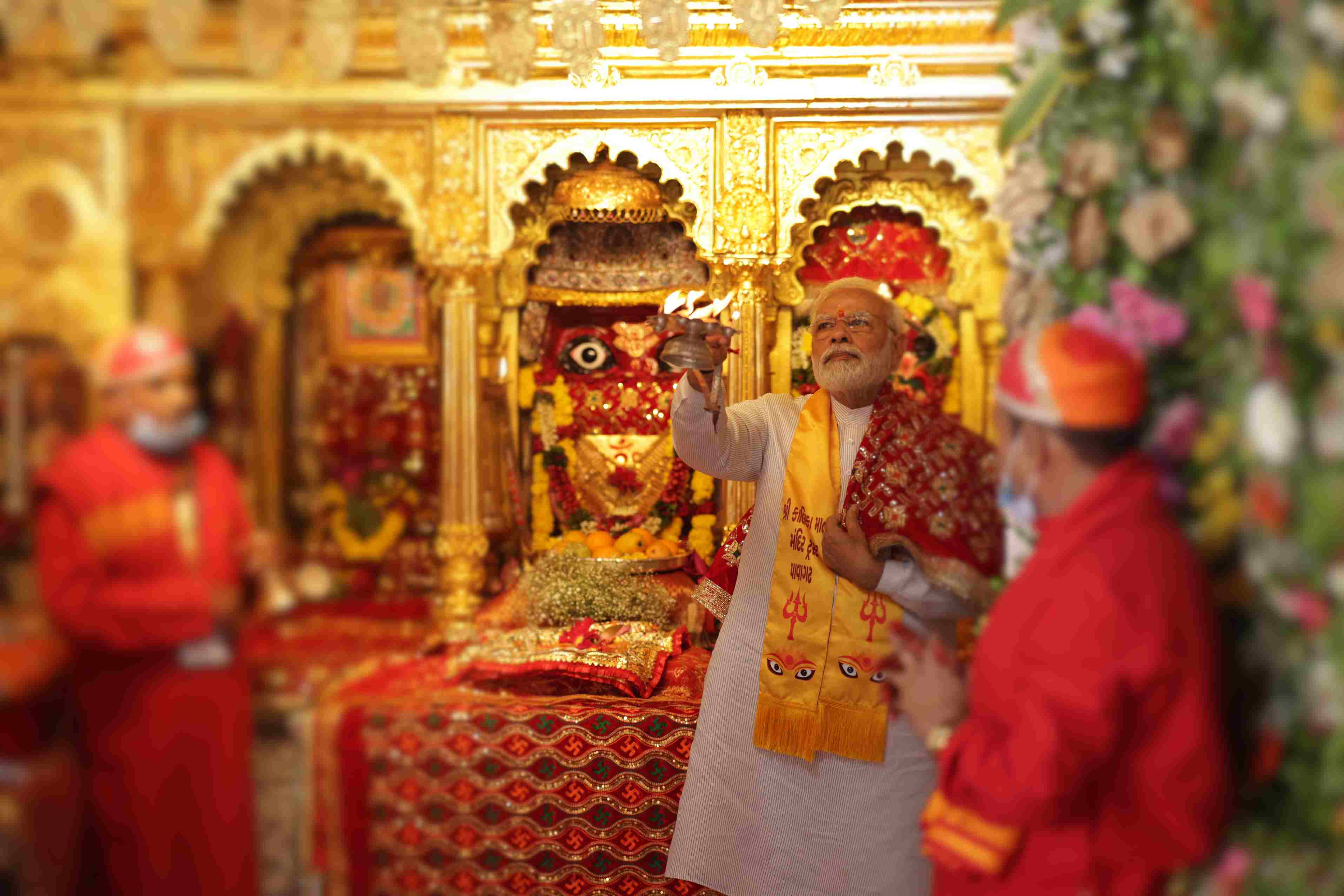
During the golden reign of the Solanki dynasty in Gujarat, Maharishi Vishwamitra established the early temple foundations. Local kings built stone fortifications, stepping pathways, and shrines along the ascent, turning Pavagadh into a major pilgrimage node.
Chauhan Rajput & Patai Rawal Rule
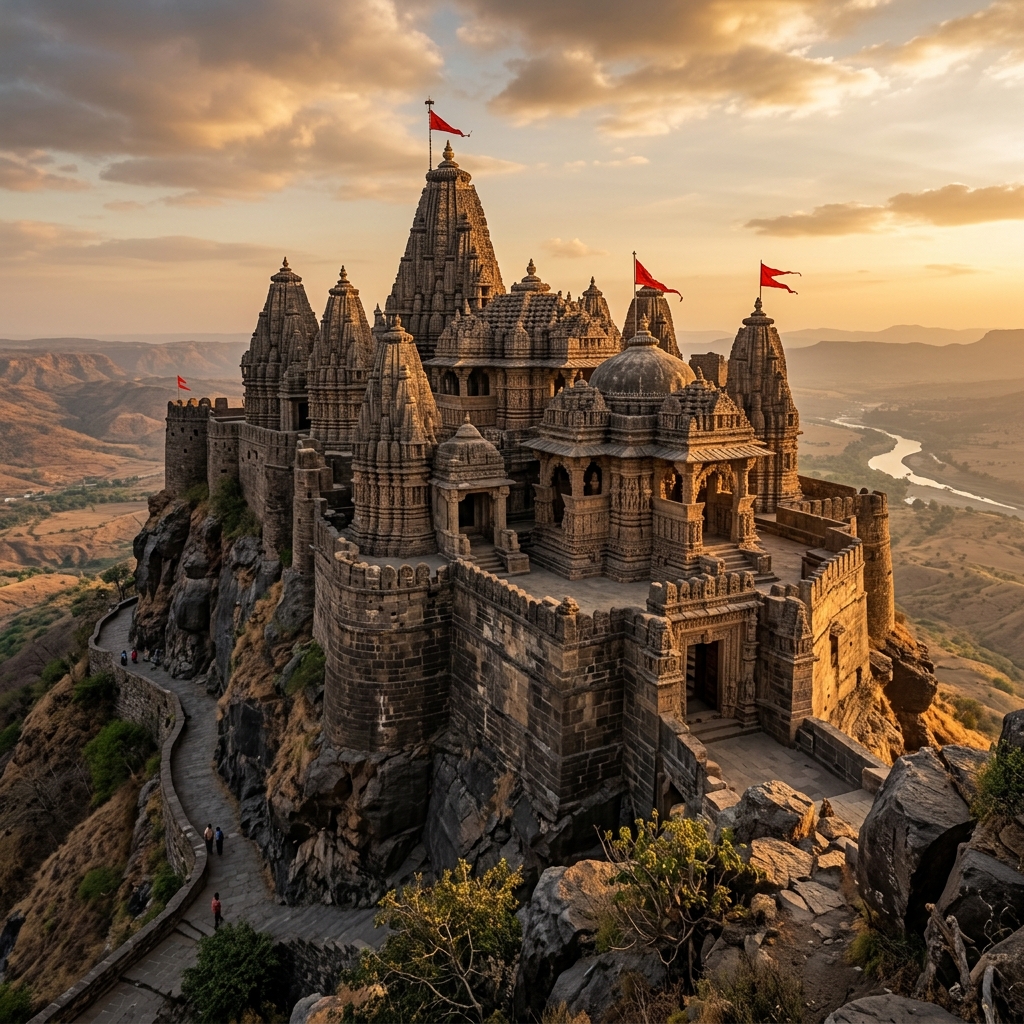
Under the Khichi Chauhan Rajputs, particularly King Jayasimhadeva (popularly known as Patai Rawal), Pavagadh became an impregnable hill fortress. The king was a devout worshipper of Maa Mahakali, and local folklore recounts her divine presence during Navratri Garba celebrations.
Sultan Mahmud Begada & Champaner
In 1484 AD, Sultan Mahmud Begada captured the Pavagadh fort after a prolonged 20-month siege. He established Champaner as his new capital at the foothills, building magnificent Islamic mosques, stepwells, and palaces that coexisted alongside the hill's ancient Hindu shrines.
UNESCO World Heritage Site
In 2004, the Champaner-Pavagadh Archaeological Park was officially inscribed as a UNESCO World Heritage Site. It represents the only complete and unexcavated Pre-Mughal Islamic city, preserved within a sacred Hindu cultural landscape.
Grand Temple Renovation & Dhwaja Hoisting
In June 2022, Honorable Prime Minister Narendra Modi inaugurated the newly redeveloped temple complex. After nearly 500 years, the temple spire was restored to its original splendor, allowing the installation of the Golden Kalash and the ceremonial hoisting of the Red Shikhar Dhwaja.